

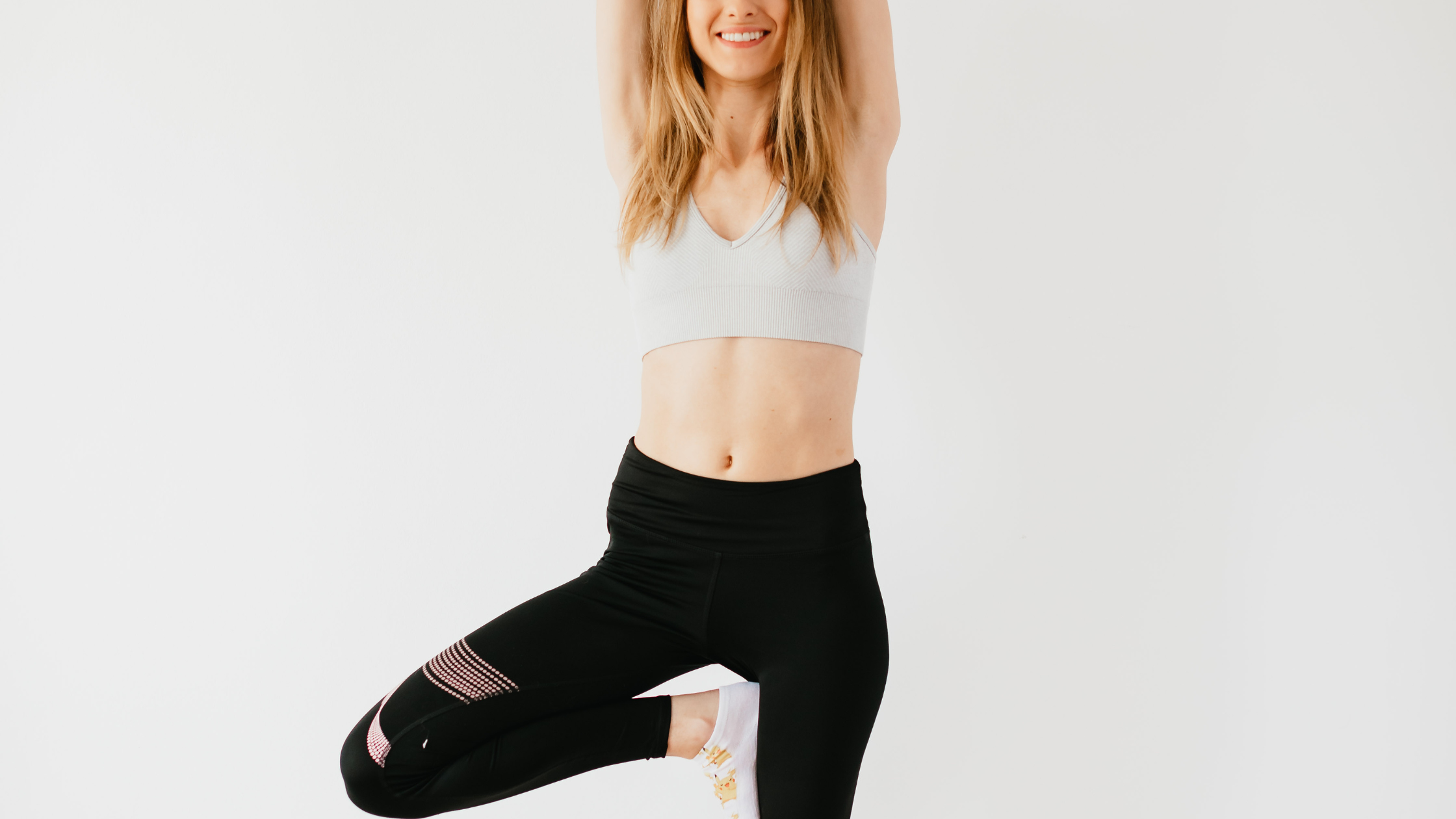
Why Balance Declines After 30 (And How Gentle Strength Can Restore It)
Balance begins to decline as early as 30 due to muscle loss, slower reaction time, and changes in the nervous system. The good news: gentle strength training can restore stability at any age. Here are the key risk factors — plus three simple movements to rebuild balance and confidence.
Why Your Breath Gets Shallow When You’re Stressed
When your nervous system senses stress, your breath changes long before you notice it. Your inhale becomes smaller, your exhale shortens, and your ribs tighten to protect you. Soft, gentle movement helps your breath return without forcing anything — creating space for your body to feel steadier and more supported.
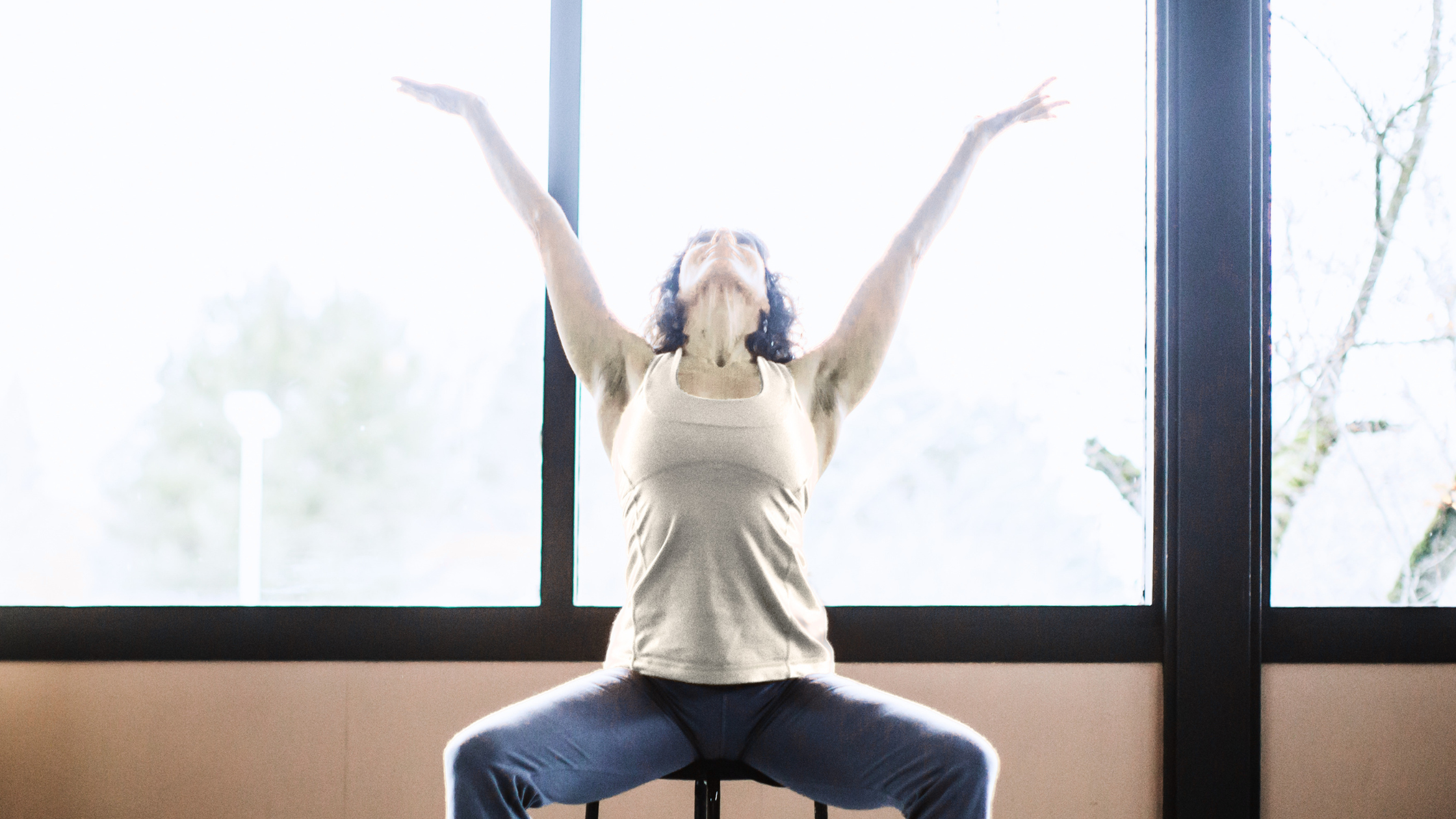
Why Your Body Feels Stiff — And How Soft Movement Helps You Release It
Soft, gentle movement helps your nervous system release gripping, stiffness, and overwhelm. If your body feels tight, tired, or unsure, this blog will help you understand why — and how to move again with safety and support.

The Gripping Mechanism: How Your Nervous System Shapes Your Core, Breath, and Pain
For years, my back pain wasn’t from weakness — it was from gripping. After navigating divorce, court stress, work pressure, childbirth injury, and the weight of daily life, my nervous system stayed in protection mode. My spine held on even when I didn’t want it to. Breathwork and gentle nervous‑system regulation finally softened the gripping, and my pain began to ease.
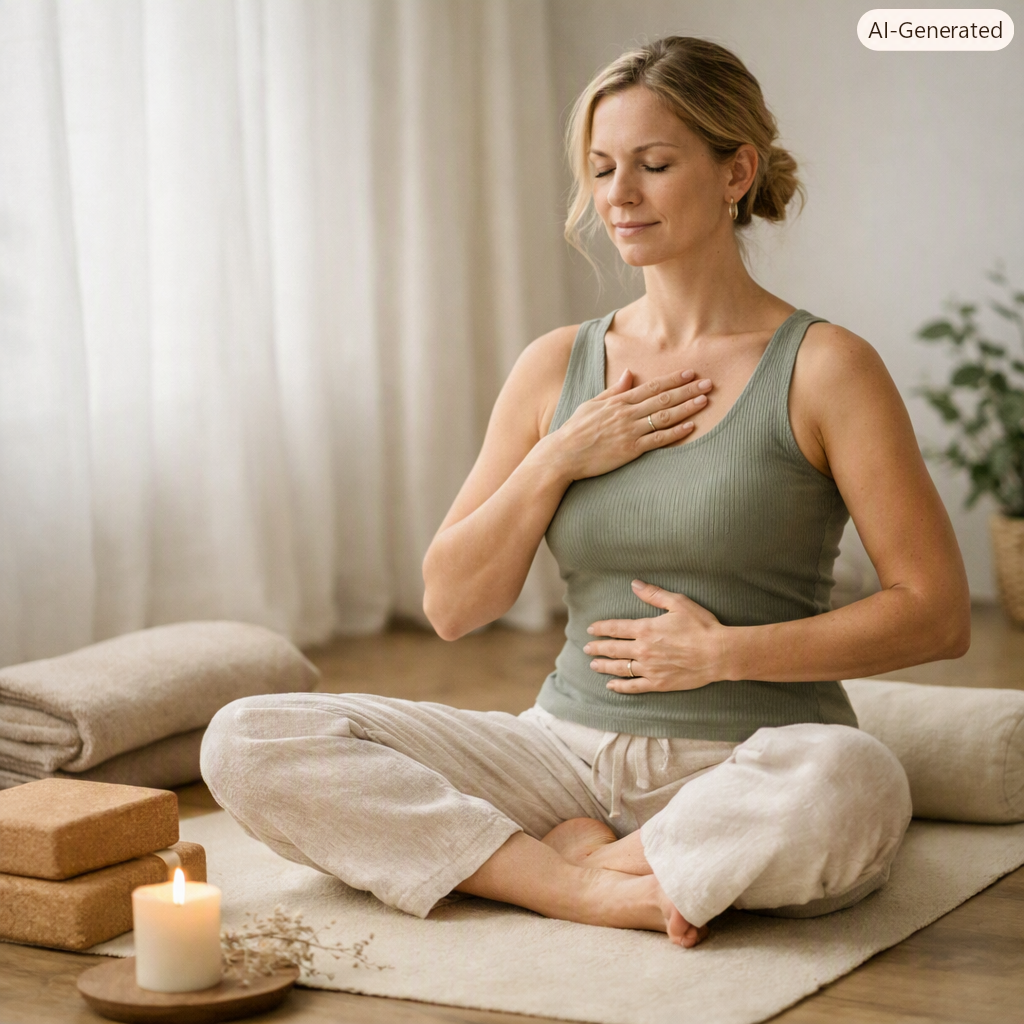
The Nervous System Is Your Real Core
Soft, intentional movement supports your nervous system, reduces overwhelm, and helps your body feel safe enough to build strength. If you’ve been craving movement that feels calm, grounding, and sustainable, this is your starting point.
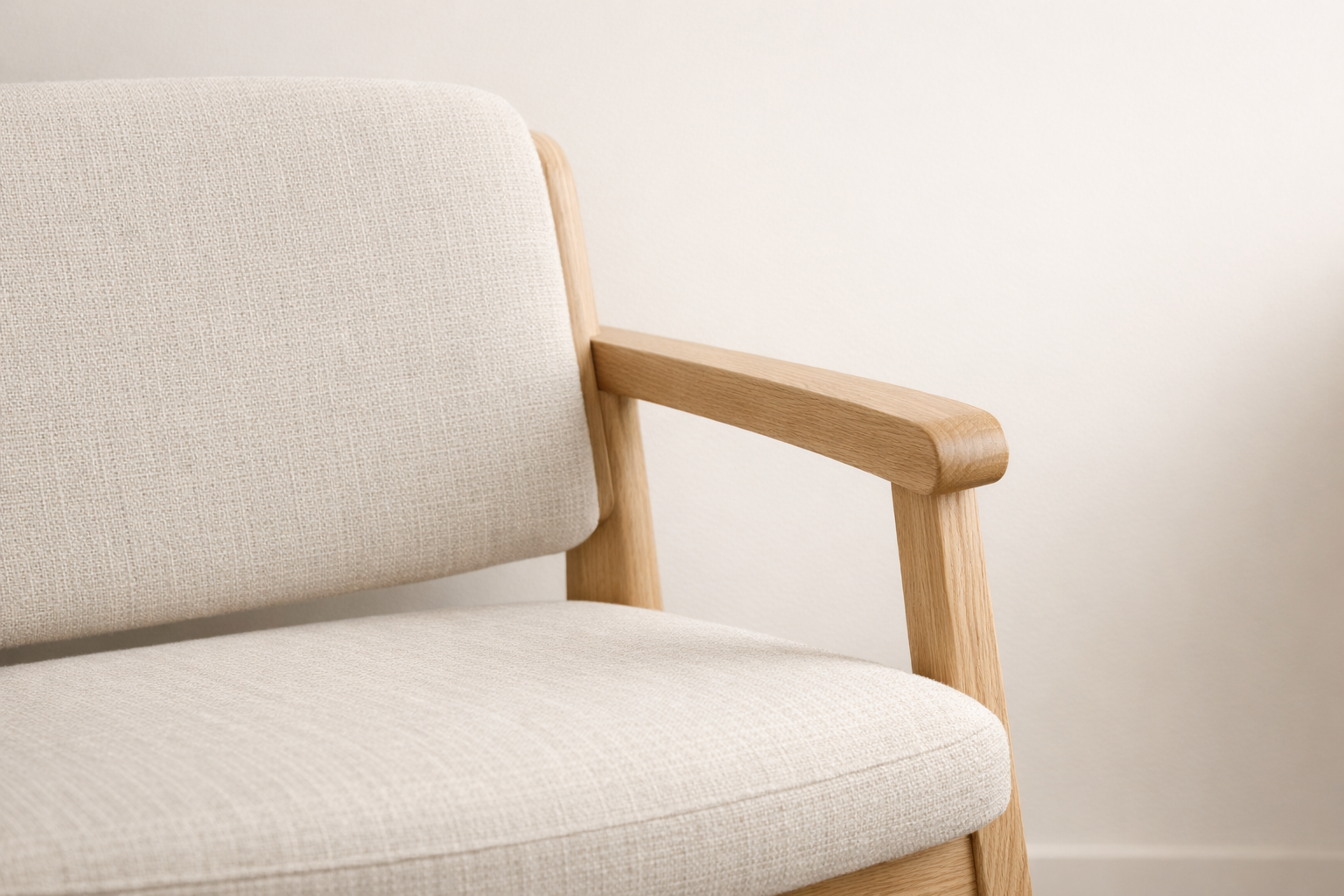
Chair Fitness: The Most Underrated Way to Build Strength
Chair fitness is one of the most supportive ways to build strength without overwhelm. Slow, accessible movement helps you feel grounded, confident, and safe in your body — perfect for beginners or anyone returning to movement.